
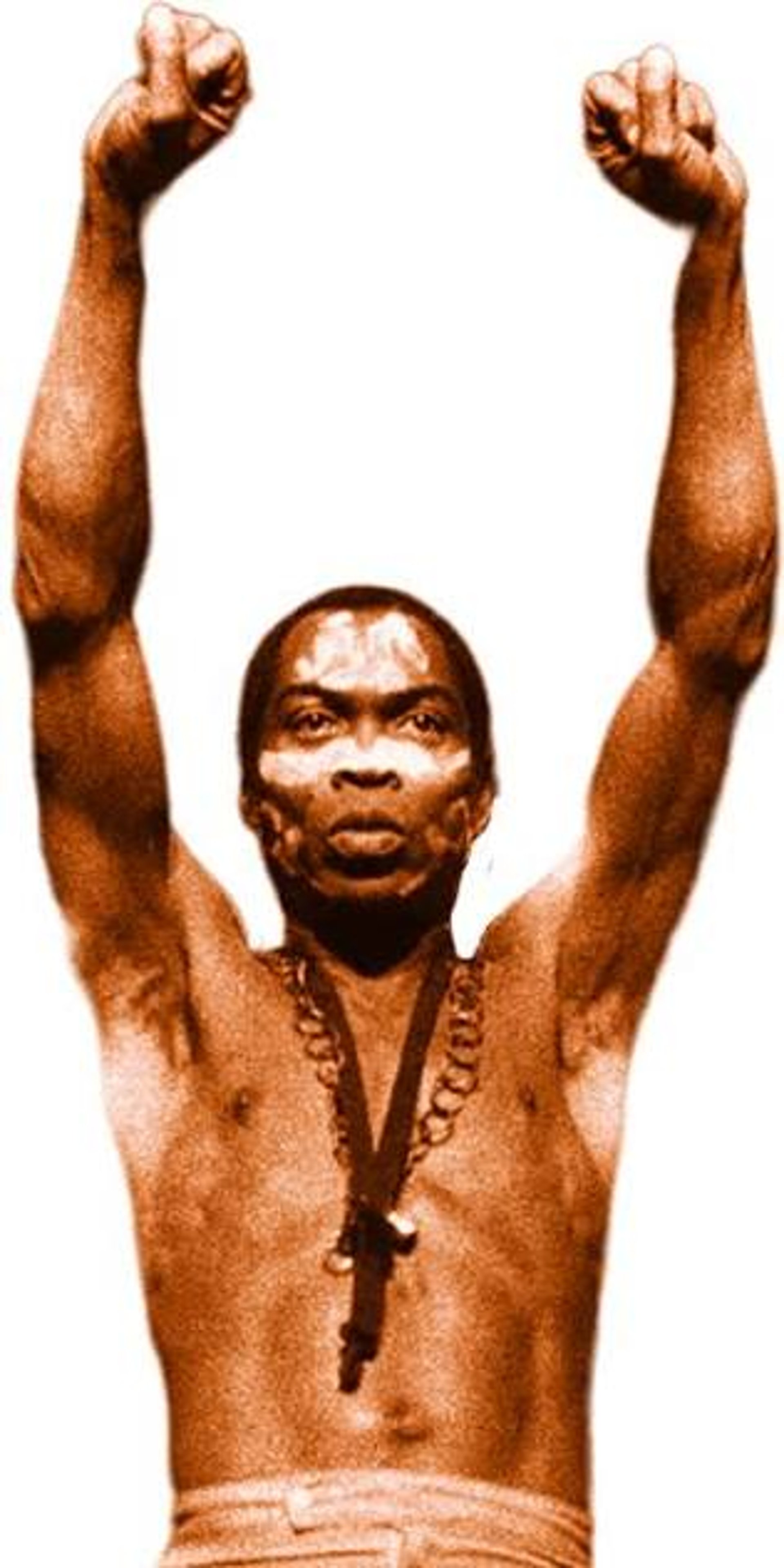
Honoring the Legendary Fela
Dive into the vibrant legacy of Afrobeat's pioneer and his timeless music.
Fela Kuti, a revolutionary musician, political activist, and the father of Afrobeat, was born on October 15, 1938, in Abeokuta, Nigeria. His groundbreaking fusion of West African music, jazz, and funk created a vibrant sound that not only entertained but also addressed social and political issues affecting Nigeria and the broader African continent.
Throughout his career, Fela released over 50 albums, including seminal works like "Zombie," "Expensive Shit," and "Sorrow Tears and Blood." His music served as a powerful vehicle for his message: a critique of corrupt political systems and social injustices. His lyrics were laced with sharp wit and unabashed truth, making his songs both a source of inspiration and a cause for concern among the powers that be.
Fela's performances were legendary, characterized by energetic dancing, intricate horn arrangements, and a large ensemble of musicians. He often incorporated theatrical elements into his shows, drawing attention to serious issues through a captivating stage presence. His band, Africa '70, became a vehicle for many talented musicians, some of whom went on to have successful careers of their own.
In addition to his musical achievements, Fela was unapologetically political. He openly criticized the Nigerian government, leading to multiple arrests and harassment throughout his life. His Kalakuta Republic, a commune and recording studio he established in Lagos, served as a hub for like-minded individuals advocating for social change. Unfortunately, this spirit of resistance attracted hostility, culminating in a violent raid in 1977 by the Nigerian military, which left his home devastated and resulted in the death of his mother, Funmilayo Ransome-Kuti, a prominent women's rights activist.
Despite these hardships, Fela continued to create music that challenged societal norms and called for revolution. His activism made him a beloved figure among many Nigerians and people across the globe who identified with his fight against oppression. His relentless spirit earned him not only a devoted following but also numerous awards and recognitions posthumously.
Fela Kuti passed away on August 2, 1997, but his legacy endures. His music continues to influence artists around the world, and the genre of Afrobeat has seen a resurgence in popularity. In 2009, the musical "Fela!" was staged on Broadway, celebrating his life and contributions to music and society, introducing his work to new generations.


Legacy
Awards Won
From lifetime achievement honors to posthumous recognitions, Fela's influence has been celebrated globally, marking his place in music history.
In the years following his death, Fela has received various honors, including the UNESCO International Jazz Day Legend Award in 2016 and induction into the Rock and Roll Hall of Fame in 2022. His life’s work remains a beacon of artistic expression, resilience, and the fight for social justice, making Fela Kuti an enduring symbol of Nigeria's cultural identity and political consciousness. Fela’s story is not just one of music; it’s a testament to the transformative power of art and activism in the face of adversity.


Fela Coin
Join us in honoring Fela's legacy through the Fela Coin, a tribute that carries his spirit into the future of music and culture.
Legendary Fela Coin is token created to celebrate his legacy and also support the cause of the poor masses in the society.
BUY
Get in Touch
Get this coin today to honor Fela's enduring legacy.

